What are common causes of mold?
Mold thrives in moist environments, often caused by leaks, high humidity, or poor ventilation. Identifying and addressing these issues is key to mold prevention. Regularly inspect your home for leaks, ensure proper ventilation in high-moisture areas, and maintain humidity levels below 60%.
Leaks can originate from various sources such as roofs, plumbing, or even windows. A small leak, if left unchecked, can become a significant problem over time. It is crucial to fix leaks promptly to prevent water accumulation. High humidity can be a silent contributor to mold growth, especially in areas like basements or bathrooms where moisture tends to linger. Using a hygrometer can help you measure the humidity levels in your home, ensuring they remain within a safe range.
Poor ventilation can exacerbate moisture issues, creating an ideal environment for mold. Inadequate airflow in attics or crawl spaces can trap moisture, so ensuring these areas are well-ventilated is essential. Consider installing vents or fans in these spaces to promote air circulation. Additionally, be mindful of condensation on windows or walls, as this can be a sign of insufficient ventilation.
Leaks can originate from various sources such as roofs, plumbing, or even windows. A small leak, if left unchecked, can become a significant problem over time. It is crucial to fix leaks promptly to prevent water accumulation. High humidity can be a silent contributor to mold growth, especially in areas like basements or bathrooms where moisture tends to linger. Using a hygrometer can help you measure the humidity levels in your home, ensuring they remain within a safe range.
Poor ventilation can exacerbate moisture issues, creating an ideal environment for mold. Inadequate airflow in attics or crawl spaces can trap moisture, so ensuring these areas are well-ventilated is essential. Consider installing vents or fans in these spaces to promote air circulation. Additionally, be mindful of condensation on windows or walls, as this can be a sign of insufficient ventilation.
How can you improve home ventilation?
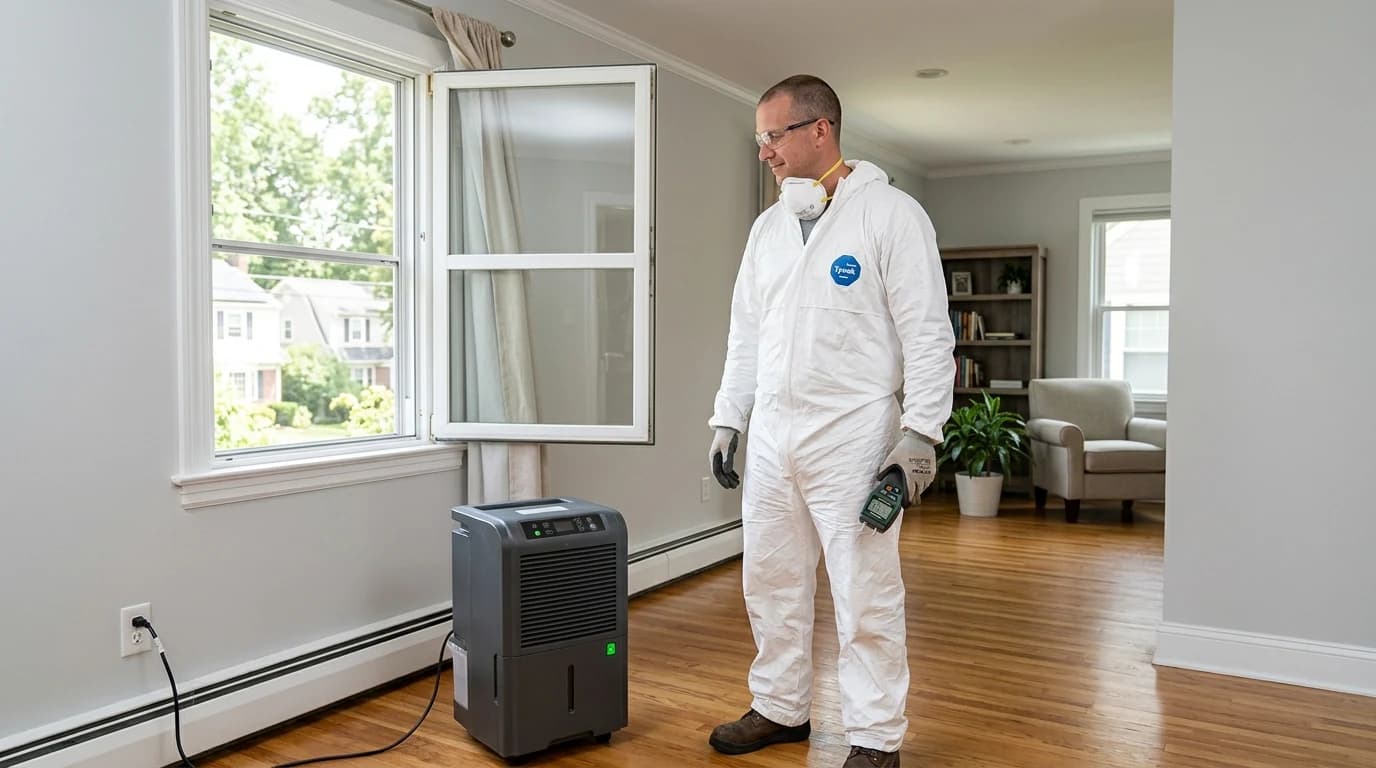
Enhancing ventilation is crucial in preventing mold growth. Use exhaust fans in bathrooms and kitchens to reduce moisture. Consider installing air purifiers and dehumidifiers to maintain optimal humidity levels. Regularly open windows when weather permits to allow fresh air circulation throughout your home.
Exhaust fans are particularly effective in areas prone to steam and humidity, such as kitchens and bathrooms. Ensure that these fans are vented to the outside, not just into an attic or crawl space, which can lead to moisture buildup in those areas. It's also important to keep these fans clean and in good working order, as dust and debris can reduce their efficiency.
Air purifiers equipped with HEPA filters can help remove mold spores from the air, reducing the likelihood of mold growth. Dehumidifiers are particularly useful in basements and other damp areas, as they can significantly reduce moisture levels. For those in Teaneck, where seasonal humidity can be high, using a dehumidifier during the summer months can be particularly beneficial.
Opening windows to promote airflow is one of the simplest and most effective ways to improve ventilation. Even during colder months, a brief window opening can refresh indoor air. Consider cross-ventilation by opening windows on opposite sides of your home to create a breeze that carries stale, moist air out and brings fresh air in. Explore our services for more tips.
Exhaust fans are particularly effective in areas prone to steam and humidity, such as kitchens and bathrooms. Ensure that these fans are vented to the outside, not just into an attic or crawl space, which can lead to moisture buildup in those areas. It's also important to keep these fans clean and in good working order, as dust and debris can reduce their efficiency.
Air purifiers equipped with HEPA filters can help remove mold spores from the air, reducing the likelihood of mold growth. Dehumidifiers are particularly useful in basements and other damp areas, as they can significantly reduce moisture levels. For those in Teaneck, where seasonal humidity can be high, using a dehumidifier during the summer months can be particularly beneficial.
Opening windows to promote airflow is one of the simplest and most effective ways to improve ventilation. Even during colder months, a brief window opening can refresh indoor air. Consider cross-ventilation by opening windows on opposite sides of your home to create a breeze that carries stale, moist air out and brings fresh air in. Explore our services for more tips.
Is regular maintenance necessary?
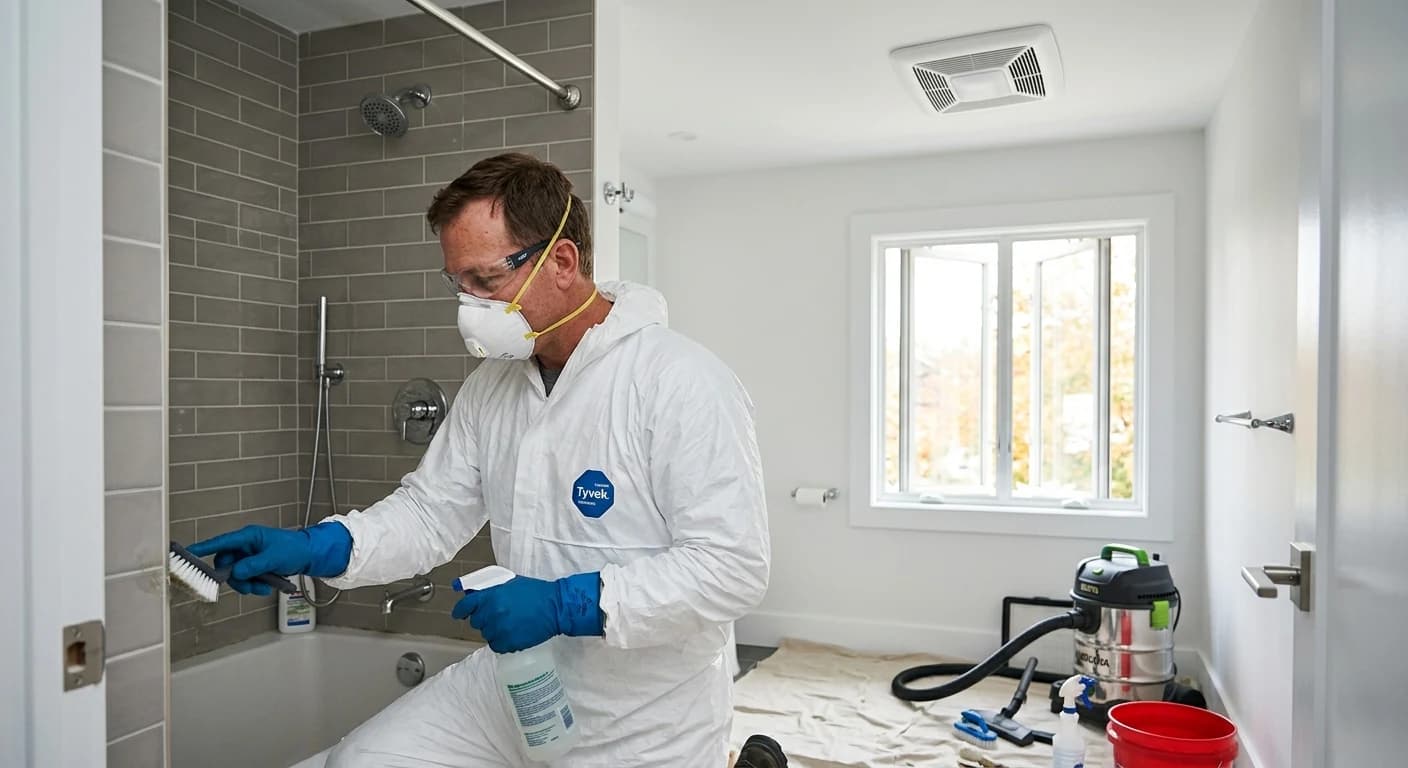
Routine maintenance is essential in preventing mold. Schedule regular inspections of your home's plumbing and roofing. Clean gutters and downspouts to prevent water accumulation. Regularly clean and dry areas prone to moisture, such as basements and crawl spaces, to reduce mold risks.
Plumbing inspections should involve checking for leaks in pipes, especially in areas that are not easily visible, like beneath sinks or behind appliances. Early detection of a small leak can prevent more significant water damage and mold growth. Roof inspections should be conducted at least twice a year to check for missing shingles or other signs of wear that might allow water to seep into your home.
Gutters and downspouts play a critical role in directing water away from your home's foundation. Ensure they are free of debris like leaves and twigs, which can cause blockages and lead to water overflow. Consider installing gutter guards to minimize debris buildup.
In basements and crawl spaces, moisture control is vital. Use a vapor barrier on floors to prevent ground moisture from seeping into these areas. Regularly inspect these spaces for signs of dampness or mold, and address any issues immediately. Dehumidifiers can also be used to maintain a dry environment. Additionally, consider using mold-resistant paint in these areas to provide an extra layer of protection against mold growth.
Plumbing inspections should involve checking for leaks in pipes, especially in areas that are not easily visible, like beneath sinks or behind appliances. Early detection of a small leak can prevent more significant water damage and mold growth. Roof inspections should be conducted at least twice a year to check for missing shingles or other signs of wear that might allow water to seep into your home.
Gutters and downspouts play a critical role in directing water away from your home's foundation. Ensure they are free of debris like leaves and twigs, which can cause blockages and lead to water overflow. Consider installing gutter guards to minimize debris buildup.
In basements and crawl spaces, moisture control is vital. Use a vapor barrier on floors to prevent ground moisture from seeping into these areas. Regularly inspect these spaces for signs of dampness or mold, and address any issues immediately. Dehumidifiers can also be used to maintain a dry environment. Additionally, consider using mold-resistant paint in these areas to provide an extra layer of protection against mold growth.
What role does landscaping play in mold prevention?
Landscaping can significantly influence moisture levels around your home, affecting mold growth. Proper grading ensures water flows away from your foundation, reducing the risk of seepage into basements or crawl spaces. If your yard slopes towards your home, consider regrading or installing a French drain to redirect water flow.
Plant selection is also crucial. Opt for native plants that require less watering, reducing excess moisture. Avoid planting trees or large shrubs too close to the house, as their roots can disrupt drainage systems and cause water to pool near the foundation. Mulch can help retain soil moisture, but too much can lead to excessive dampness. Keep mulch layers thin and away from the foundation to prevent moisture buildup.
Gutter extensions and splash blocks are valuable tools in directing rainwater away from your home. Ensure downspouts extend several feet from the foundation to prevent water from pooling. Additionally, consider rain gardens to manage runoff naturally. These gardens can absorb excess water while adding aesthetic value to your landscape. Regularly inspect and maintain your landscaping features to ensure they function effectively, preventing water-related issues that could lead to mold.
Plant selection is also crucial. Opt for native plants that require less watering, reducing excess moisture. Avoid planting trees or large shrubs too close to the house, as their roots can disrupt drainage systems and cause water to pool near the foundation. Mulch can help retain soil moisture, but too much can lead to excessive dampness. Keep mulch layers thin and away from the foundation to prevent moisture buildup.
Gutter extensions and splash blocks are valuable tools in directing rainwater away from your home. Ensure downspouts extend several feet from the foundation to prevent water from pooling. Additionally, consider rain gardens to manage runoff naturally. These gardens can absorb excess water while adding aesthetic value to your landscape. Regularly inspect and maintain your landscaping features to ensure they function effectively, preventing water-related issues that could lead to mold.
How can smart home technology assist in mold prevention?
Smart home technology offers innovative solutions for mold prevention by monitoring environmental conditions and alerting homeowners to potential issues. Smart thermostats can help regulate indoor temperature and humidity levels, crucial factors in mold growth. These devices can be programmed to maintain optimal conditions, reducing the likelihood of mold.
Smart sensors can detect leaks or excess moisture in areas prone to dampness, such as under sinks or in basements. These sensors send alerts to your smartphone, allowing you to address issues promptly before they escalate. Some advanced systems can even automatically shut off water supply in case of a leak, preventing further damage.
Smart dehumidifiers can be integrated into your home network, allowing remote control and monitoring of humidity levels. You can adjust settings based on real-time data, ensuring your home remains within safe humidity ranges. For residents of NJ, where weather can be unpredictable, these technologies offer peace of mind by providing constant vigilance against mold-promoting conditions.
Incorporating smart technology not only enhances convenience but also provides a proactive approach to mold prevention, ensuring your home remains a healthy environment.
Smart sensors can detect leaks or excess moisture in areas prone to dampness, such as under sinks or in basements. These sensors send alerts to your smartphone, allowing you to address issues promptly before they escalate. Some advanced systems can even automatically shut off water supply in case of a leak, preventing further damage.
Smart dehumidifiers can be integrated into your home network, allowing remote control and monitoring of humidity levels. You can adjust settings based on real-time data, ensuring your home remains within safe humidity ranges. For residents of NJ, where weather can be unpredictable, these technologies offer peace of mind by providing constant vigilance against mold-promoting conditions.
Incorporating smart technology not only enhances convenience but also provides a proactive approach to mold prevention, ensuring your home remains a healthy environment.
Why is proper insulation important?
Proper insulation is a critical factor in mold prevention, as it helps regulate temperature and moisture levels within your home. Without adequate insulation, warm air can meet cold surfaces, leading to condensation—a prime condition for mold growth. Insulating areas like attics, basements, and crawl spaces can prevent these temperature fluctuations. Use materials such as spray foam, fiberglass, or cellulose, which offer excellent thermal resistance and can also act as a barrier against moisture infiltration.
In addition to temperature regulation, insulation can help maintain consistent humidity levels. When your home is well-insulated, heating and cooling systems work more efficiently, reducing the likelihood of creating damp conditions where mold can thrive. Pay special attention to areas where pipes run, as these can be prone to condensation. Wrapping pipes with insulation can prevent moisture buildup and reduce the risk of mold.
For those living in climates with significant seasonal changes, like NJ, ensuring your home is properly insulated can offer the added benefit of energy savings. Insulation not only keeps mold at bay but also reduces energy consumption, making your home more comfortable year-round. Regularly inspect and maintain your insulation to ensure its effectiveness and replace any damaged or insufficient areas promptly.
In addition to temperature regulation, insulation can help maintain consistent humidity levels. When your home is well-insulated, heating and cooling systems work more efficiently, reducing the likelihood of creating damp conditions where mold can thrive. Pay special attention to areas where pipes run, as these can be prone to condensation. Wrapping pipes with insulation can prevent moisture buildup and reduce the risk of mold.
For those living in climates with significant seasonal changes, like NJ, ensuring your home is properly insulated can offer the added benefit of energy savings. Insulation not only keeps mold at bay but also reduces energy consumption, making your home more comfortable year-round. Regularly inspect and maintain your insulation to ensure its effectiveness and replace any damaged or insufficient areas promptly.
What are the benefits of professional mold inspections?
Engaging professional mold inspection services offers numerous benefits in maintaining a mold-free home. Professionals bring expertise and specialized equipment to detect mold in areas that might be overlooked during routine checks. They can identify not only visible mold but also hidden mold that could be growing behind walls or under floors, often using infrared cameras and moisture meters.
A professional inspection provides a comprehensive assessment of your home’s mold risk factors. Inspectors can pinpoint sources of moisture, such as leaks or poor ventilation, and recommend targeted solutions to mitigate these issues. This proactive approach can save homeowners from costly repairs and health problems associated with mold exposure.
Moreover, professional inspections can offer peace of mind. Knowing that your home has been thoroughly checked by experts can alleviate concerns about mold-related health risks, such as allergies or respiratory issues. For homeowners in Teaneck, where humidity can fluctuate, scheduling regular mold inspections can be particularly advantageous. Professionals can provide tailored advice specific to local climate challenges, ensuring your home remains safe and healthy.
Ultimately, while DIY methods can be effective for ongoing maintenance, professional inspections are invaluable for ensuring comprehensive mold prevention, offering insights and solutions that might not be apparent to the untrained eye.
A professional inspection provides a comprehensive assessment of your home’s mold risk factors. Inspectors can pinpoint sources of moisture, such as leaks or poor ventilation, and recommend targeted solutions to mitigate these issues. This proactive approach can save homeowners from costly repairs and health problems associated with mold exposure.
Moreover, professional inspections can offer peace of mind. Knowing that your home has been thoroughly checked by experts can alleviate concerns about mold-related health risks, such as allergies or respiratory issues. For homeowners in Teaneck, where humidity can fluctuate, scheduling regular mold inspections can be particularly advantageous. Professionals can provide tailored advice specific to local climate challenges, ensuring your home remains safe and healthy.
Ultimately, while DIY methods can be effective for ongoing maintenance, professional inspections are invaluable for ensuring comprehensive mold prevention, offering insights and solutions that might not be apparent to the untrained eye.